
English| EUR
Suggested for you
More currencies
Choose a language
North Shore shark diving operates from Haleiwa Harbor with tours departing daily between 6:00 AM and 1:00 PM. Understanding what influences cage diving costs—from boat capacity to seasonal demand—helps you choose the right tour. This guide breaks down the pricing structure and what each package includes.
Quick answer
The standard shark diving Oahu price is $130 per adult for a cage diving tour departing from Haleiwa Harbor. This baseline rate covers boat transport to the dive site, safety equipment, cage time with Galapagos and sandbar sharks, and professional crew supervision. Prices may vary for private charters, group bookings, or tours that bundle additional water activities, though the core cage diving experience maintains consistent pricing year-round.
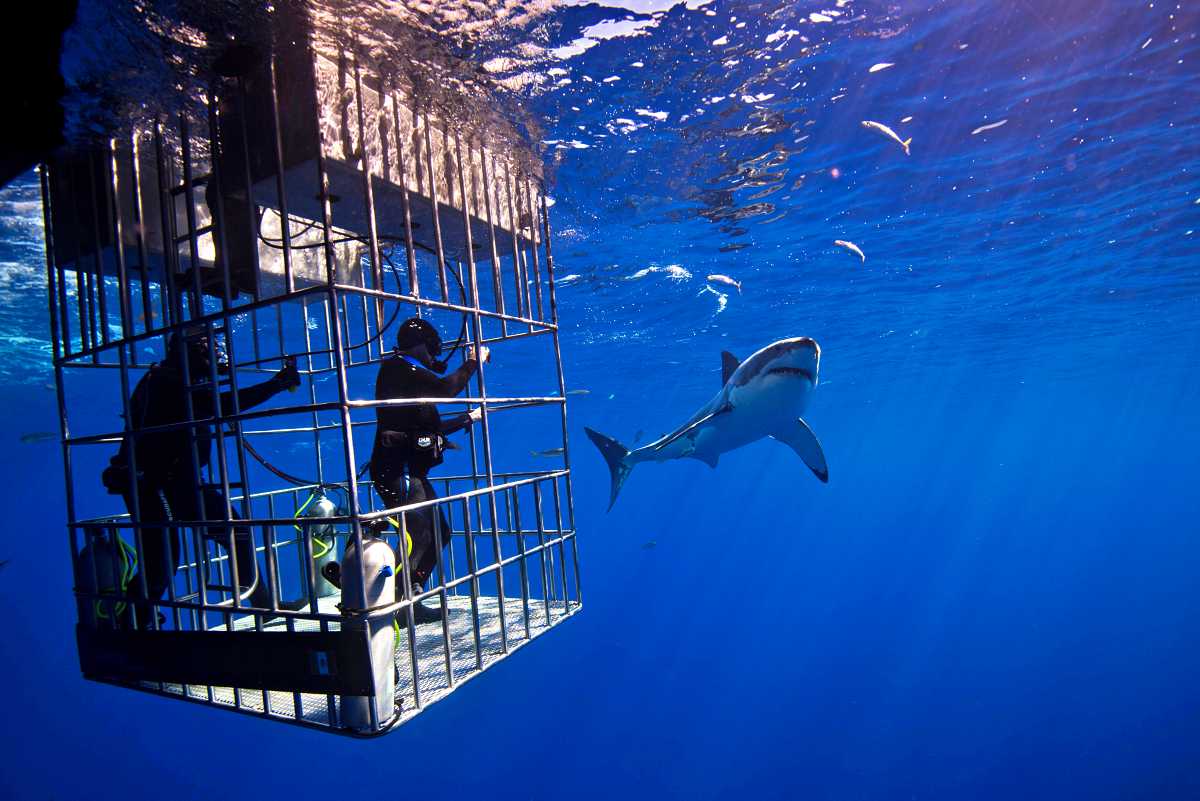
Galapagos sharks patrol the waters three miles off Oahu's North Shore in concentrations rarely seen this close to a major city. The cost structure for encountering them reflects both the specialized equipment required and the operational realities of pelagic wildlife viewing. The shark diving Oahu price reflects a baseline of $130 for the standard two-hour cage experience. That figure covers the diesel fuel needed to reach the offshore dive site, the reinforced aluminum cages that meet Coast Guard specifications, and the crew training required to operate in open ocean conditions. Tours depart from Haleiwa Harbor six days a week, with morning slots filling fastest due to calmer seas and better visibility. The standard rate applies to individual bookings on shared boats that typically carry twelve to eighteen passengers. Group dynamics and charter options introduce pricing variation. Private charters command premium rates because they dedicate an entire vessel and crew to a single party, allowing flexible departure times and extended cage rotations. Some operators bundle the cage dive with snorkeling stops at nearby reefs or photo packages that include underwater camera rentals and professional editing. These add-ons increase the total cost but don't alter the core cage diving fee. Seasonal demand has minimal impact—shark activity remains consistent year-round in these waters, and operators maintain stable pricing from January through December. The comparison between operators centers on inclusions rather than base rates. Most North Shore providers charge similar amounts for equivalent cage time, but differ in boat size, passenger limits, and whether they provide wetsuits or require renters to source their own. The standard tour includes safety briefings, flotation devices, and crew-assisted cage entry, with no hidden fees for equipment use. Understanding what the baseline rate covers versus what requires additional payment prevents budget surprises at the harbor. Booking windows matter for securing preferred departure times rather than for price breaks. Early morning tours between six and nine o'clock offer the calmest conditions, and those slots book out days in advance during peak visitor months. The phone line at +1-808-637-9737 handles reservations directly with the operator, bypassing third-party booking fees that can inflate the final cost.
“Galapagos sharks patrol the waters three miles off Oahu's North Shore in concentrations rarely seen this close to a major city.”
North Shore Shark Diving operates on a consistent schedule throughout the week to accommodate visitors. The facility is open daily from morning through early afternoon.
The best arrival window for shark diving is 06:00–09:00, as these morning hours consistently offer the calmest seas, clearest visibility, and peak shark activity. Choosing this early start ensures you maximize the value of your tour.
—
Early tours benefit from the calmest water conditions and higher activity levels. Visibility is typically highest during these initial hours of the day.
Generally warmer; 75-85°F
Waters are often calmer during the summer, providing stable conditions for cage diving. Shark sightings remain consistent throughout this period.
Cooler; 65-75°F
Increased swell activity can occur, though morning tours often mitigate rougher surface conditions. This season coincides with whale migrations, adding potential activity near the harbor.
Verdict: For the highest visibility and calmest sea conditions, schedule your arrival between 06:00 and 09:00 during the summer months of May through September.
The shark diving tours depart from Haleiwa Harbor, located on the North Shore of Oahu. Driving by car via Kamehameha Highway remains the most direct method for reaching the harbor.
Kamehameha Highway to Haleiwa Harbor
TheBus Route 52 or 60 to Haleiwa Town
Direct service to Haleiwa Harbor
Plan to reach the harbor between 06:00 and 09:00 to ensure check-in before your scheduled departure. Public parking is available near the harbor facility.
Everything you need to know about shark diving oahu price
The standard cage diving tour fee is 130 USD per adult. This base rate covers your access to the pelagic shark encounters provided by the operator.
There are no hidden fees beyond the standard rate for the cage experience. You should budget for the advertised cost to ensure your spot on the vessel.
Yes, the fee covers the necessary safety gear required for the excursion. You will be provided with professional equipment to view the predators from the secure cage.
The best arrival window is 06:00–09:00, as morning hours offer the calmest seas and clearest visibility. Shark activity is typically higher during these early sessions.
Participants of all ages are generally welcome, though it is recommended to confirm individual physical requirements directly. Each guest must be comfortable in the water to enjoy the experience.
All tours depart from Haleiwa Harbor, located in Haleiwa, HI 96712. Please ensure you arrive within the recommended morning window to facilitate a smooth departure.
While various snorkeling and boat excursions exist, the cost reflects the specialized nature of these offshore wildlife encounters. You are paying for professional crew expertise and vessel operations in the open ocean.
The fee provides you with a place on the boat and access to the submerged cage for viewing. Additional personal items or transportation to the harbor are not included in this figure.