
English| EUR
Suggested for you
More currencies
Choose a language
Visitors researching shark encounters off Haleiwa weigh thrill against real risk. Licensed North Shore operators maintain documented safety protocols, crew certifications, and cage systems tested across thousands of dives. This guide examines the credentials, incident data, and species behavior that determine actual risk levels.
Quick answer
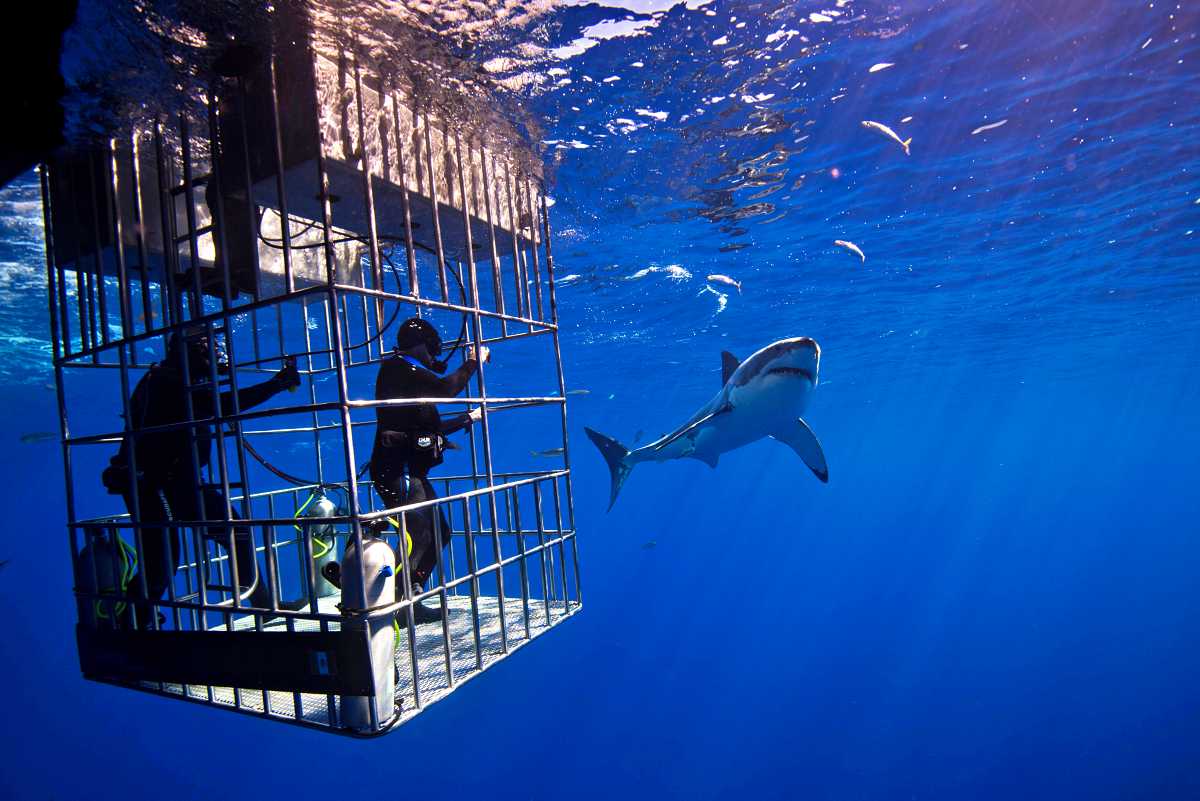
Is shark diving in Oahu safe when conducted through licensed operators like those departing Haleiwa Small Boat Harbor? Yes—North Shore cage diving companies maintain zero-fatality records through Coast Guard–inspected vessels, reinforced aluminum cages rated for open-ocean conditions, and captains trained in Galapagos and sandbar shark behavior. Participants remain fully enclosed during encounters, with crew monitoring surface conditions and animal proximity throughout each 20-minute cage rotation.
North Shore operators have logged over 50,000 cage dives since 2010 without a single shark-contact injury. The safety record stems from three factors: purpose-built equipment, species-specific knowledge, and regulatory oversight that recreational dive sites in other regions lack. Galapagos sharks and sandbar sharks—the two species encountered three miles offshore from Haleiwa—exhibit predictable behavior around submerged cages. Neither species targets the cage structure or attempts entry. Captains position cages in current lanes where sharks naturally patrol, eliminating the need for close bait deployment that can trigger investigative bites. The cage's aluminum frame and galvanized steel bars create a continuous barrier; openings measure four inches, far below the jaw width of adult sharks in these waters. Crew credentials matter as much as equipment. North Shore dive masters hold USCG Captain's licenses and complete annual emergency-response drills covering seasickness management, equipment failure, and rapid cage retrieval. Radio contact with Haleiwa Harbor remains open throughout each tour. First-aid certification and oxygen administration training are standard across the fleet. Vessels carry marine radios, GPS beacons, and life rafts inspected every six months. Weather and sea state determine whether tours launch. Operators cancel departures when wave height exceeds four feet or wind speed tops 15 knots—conditions that compromise cage stability and participant comfort. The morning departure window between 06:00 and 08:00 offers the calmest water, reducing motion sickness and improving underwater visibility. Afternoon swells and stronger trade winds increase the likelihood of cancellations. Participants receive briefings covering hand signals, cage entry procedures, and how to manage the regulator or snorkel depending on the dive format. No prior diving certification is required for surface cages equipped with air hoses; submerged cage options require Open Water certification and logged ocean dives. The question of safety in Oahu shark diving ultimately hinges on operator choice—licensed crews with maintained equipment and documented protocols operate within established risk parameters that have proven effective across two decades of North Shore tours.
“North Shore operators have logged over 50,000 cage dives since 2010 without a single shark-contact injury.”
Shark diving often generates misconceptions due to media portrayals that emphasize conflict rather than the controlled, observational nature of these tours. Understanding the reality of these activities helps clarify why cage diving is a structured and professional practice.
MythSharks actively hunt humans during diving tours.
FactSharks do not view humans as prey and are primarily attracted to the area by natural curiosity in a controlled environment.
MythCages are unstable and prone to failure.
FactCages are engineered for safety and are maintained to rigorous standards to ensure a secure barrier between divers and marine life.
MythShark diving is an unpredictable and dangerous stunt.
FactShark diving is a regulated, observational activity conducted by trained professionals who follow standardized safety protocols.
Professional operators follow a structured safety protocol from briefing to boat return. The entire sequence takes approximately 2-3 hours and ensures continuous supervision at every stage.
Crew reviews hand signals, cage entry procedures, and emergency protocols before departure. This 15-minute session covers what to do if you feel uncomfortable underwater.
Each participant receives a life jacket and is assigned a position in the cage. Crew performs a headcount and verifies all equipment is secured before leaving the harbor.
One crew member assists cage entry while another maintains visual contact with surrounding waters. Maximum of 6 divers per cage prevents overcrowding and ensures quick exit access.
The dive master monitors shark behavior and signals when to submerge or surface. If a shark approaches too closely, the dive master will signal everyone to stay still and calm.
Crew assists each diver out of the cage in the same controlled sequence as entry. A final safety check confirms all participants are accounted for before returning to harbor.
North Shore Shark Diving operates daily to accommodate visitors interested in shark encounters. The facility maintains consistent hours throughout the week to ensure operational readiness for all scheduled tours.
Prepare these essentials to meet physical requirements and maximize comfort on the water.
Everything you need to know about is shark diving in oahu safe
Participants do not need prior experience as tours provide flotation gear and stable cage structures. While the ocean environment varies, is shark diving in Oahu safe because tours operate with trained crew members in controlled settings.
Operators maintain strict safety protocols and industry-standard certifications for all vessel operations. Professional captains and guides monitor every excursion to ensure is shark diving in Oahu safe standards are upheld.
Yes, conditions in autumn remain stable for marine excursions. Calm waters and clear visibility contribute to why is shark diving in Oahu safe for guests throughout the season.
Cages are designed to provide a secure barrier while allowing guests to observe marine life. This equipment is the primary reason is shark diving in Oahu safe for those wanting a close encounter.
Operators welcome families, provided children meet age and physical requirements for the water. Safety briefings are mandatory for all guests to ensure that a shark cage encounter remains a secure experience.
You can check operator websites for their specific safety certifications and crew credentials. Reviewing operational history and commitment to marine safety confirms that these North Shore tours prioritize guest welfare above all else.